
Artificial Intimacy: Chris Rynning on AI Companions and Digital Trust
In a Forbes Paraguay interview, Umanitek Chairman Chris Rynning explores how AI is moving from capturing human attention to shaping trust, companionship, and personal relationships.
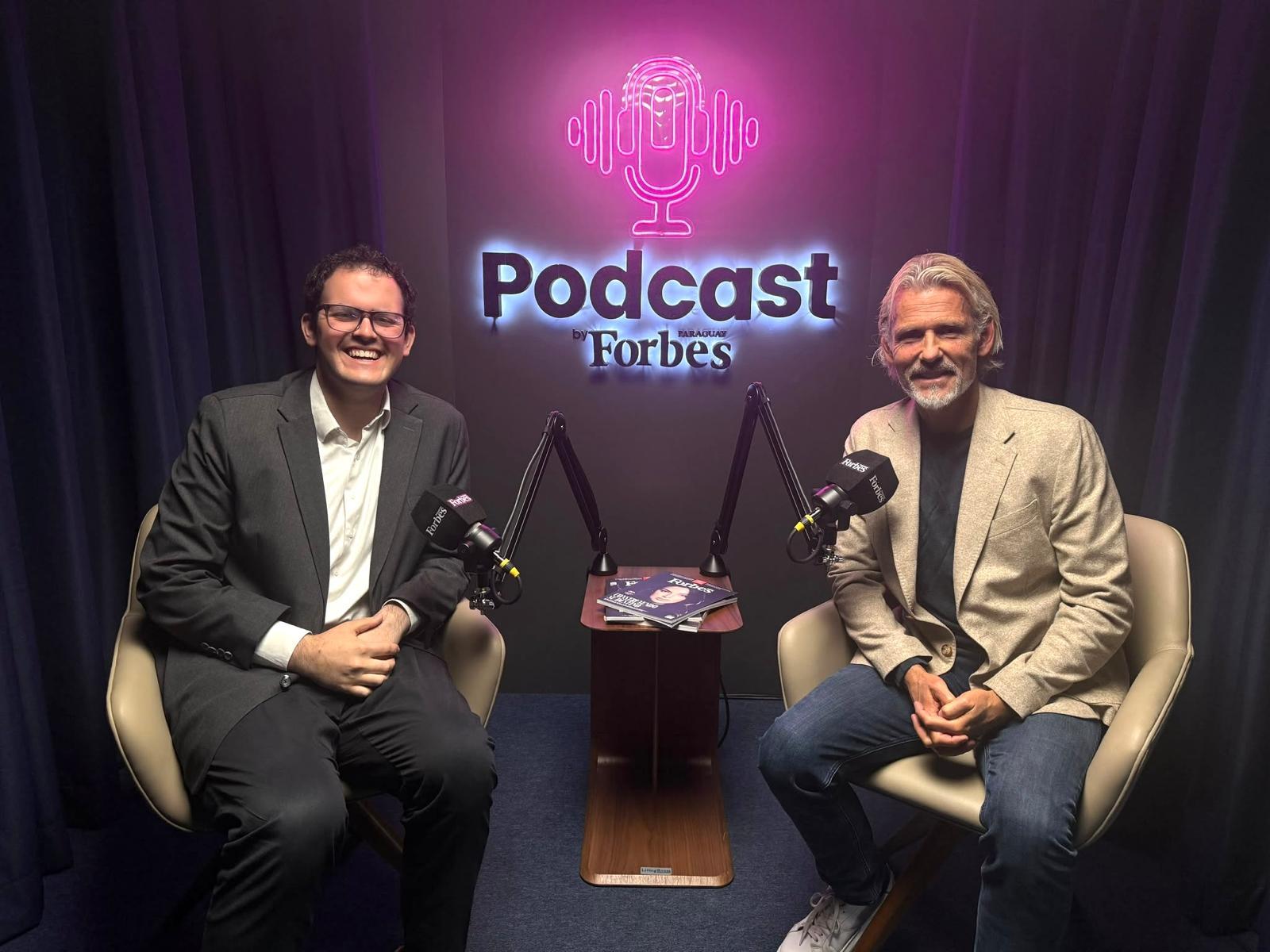
Artificial intelligence was shaping human behavior long before ChatGPT entered everyday life. Social media algorithms had already learned to predict what people wanted to see, how to hold their attention, and which content would keep them scrolling.
For Chris Rynning, Chairman and Co-Founder of Umanitek, that was humanity's first significant encounter with AI.
Speaking with Forbes Paraguay, Rynning argued that recommendation algorithms did more than change how people consumed information. By repeatedly reinforcing existing beliefs and preferences, he believes they contributed to political polarization and made meaningful disagreement increasingly difficult.
Now, he sees a second encounter underway. This time, the competition is not simply for attention, but for companionship.
The Rise of Artificial Intimacy
AI companions and conversational chatbots are increasingly being used for discussions that extend beyond practical tasks. People consult them about relationships, personal decisions, and emotional difficulties. For some, conversational AI has become a regular source of reassurance and companionship.
Rynning calls this development "artificial intimacy."
Unlike social media algorithms, which influence users through the content they encounter, conversational AI engages them directly. It responds to questions, adapts to context, and can simulate the familiarity of an ongoing relationship.
Its appeal is understandable. A chatbot is available at any hour and can provide immediate responses without the complications of human interaction.
Rynning describes a situation in which people may come to trust an AI system more than their parents, partners, teachers, or friends.
"We're running here now live to see what's going to happen when we talk more to machines than humans," Rynning said.
His concern is not that conversational AI lacks practical value, but that its convenience could gradually change where people seek guidance, reassurance, and emotional support.
Digital Trust in an AI-Generated World
The interview also explored how synthetic content is changing perceptions of authenticity.
As AI-generated images, music, writing, and video become more common, distinguishing human-created work from machine-generated material is becoming increasingly difficult.
Forbes Paraguay's interviewer drew a parallel with industrial manufacturing: as mass-produced goods became commonplace, handmade objects acquired a different kind of value. Human-created art and personal experiences may undergo a similar reassessment.
The challenge extends beyond creative work. When digital content and interactions can be convincingly generated or manipulated, establishing authenticity becomes increasingly important.
This is one of the challenges addressed by Umanitek's AI Safety Infrastructure. Its portfolio includes Guardian, which monitors digital impersonation and supports takedown efforts, alongside TrueSeal and Blackbox, two other components of the company's digital trust and safety offering.
These technologies address practical aspects of online trust. Rynning's discussion of artificial intimacy points to a related but broader concern: how people judge authenticity when machines can increasingly imitate human expression and interaction.
The Value of Human Connection
Rynning acknowledges the benefits of AI and its usefulness in his own work. He does not advocate abandoning the technology.
Instead, he questions what happens when systems capable of simulating human interaction occupy an increasingly central place in people's social lives.
Toward the end of the interview, he was asked what keeps him awake at night. After discussing the need for political engagement and greater oversight of AI development, he offered a more immediate suggestion:
"Put away your phone and spend time with your friends, your family."
Watch the full interview: Chris Rynning in conversation with Forbes Paraguay.
Chris Rynning is Chairman and Co-Founder of Umanitek, a Swiss AI trust and safety company focused on combating digital impersonation, synthetic media, and other AI-enabled threats.